Desert Bloom
“What are the Palestinians? […] It was only after we made the desert bloom that they became interested in taking it away from us.”
—Levi Eshkol, Prime Minister of Israel, in a 1969 interview (Alan George, "Making the Desert Bloom": A Myth Examined," Journal of Palestine Studies 8(2): 88–100, p. 88).

About Markar and this Website
Markar Melkonian is a nonfiction writer and student of philosophy with the usual surfeit of college degrees, culminating in a Ph.D. in philosophy from the University of Massachusetts, Amherst. His books and articles have been about social and political philosophy, America's "New Middle East," and the travails of the incalculably glorious post-Soviet Republic of Armenia. Melkonian has not yet visited Antarctica, but if he does soon, he will probably be among the top twelve philosophers of science on that continent. In his spare time he devises biographical blurbs that sound as though someone else wrote them.
I would like to think that this website is not a vanity project. It is certainly not a personal archive—it is much more selective than that, and more audience-forward. Nor is it a writer’s showcase: its chief aim is not self-expression. Nor is its main purpose, despite all appearances, to sell books. Its chief aim, rather (at the risk of sounding supercilious, is educational, and that accounts for its topical organization. More about that in the next paragraph, but first a few defensive words about the writing included here. They are mostly reprints of occasional pieces, written over the course of decades This creates a spotty impression, which is a drawback for educational purposes. But I calculate (perhaps I am mistaken about this) that there is an upside that overridesthis drawback, and is conducive to my educational intent: I hope the reader will register that in multiple conjunctures over decades, the writer, writing as events have unfolded, has identified folly that the punditry had ignored—and in most cases, does not acknowlege to this day. Some of these writings have been presecient on important issues of the day.
Education: this website is intended to be a handy one-stop source for additional information, much of it out of print, about a certain interpretation of Marxism, which the author, tongue only halfway-in-cheek, calls lean, mean Marxism.
What is that?
It is a consistently naturalistic version of Marxism--one stripped of common but superfluous assumptions about History, human nature, common sense, “government,” civil society, Law, and life. That is a lot of ballast overboard. This author hopes that each of the items included here, within the narrow limits of its initial occasion and however fragmentary, will provide a peek at a critical, open, evolving science of the social history of our species, a science that complements adjacent fields, from Earth science, human ecology and paleoanthropology to neuroscience.
Visitors to this site might notice that the views presented, however flawed, partial, and occasionally repetitive, have been pretty much borne out in the years since they were written. They have been borne out even as events have refuted the opposing views of well-funded experts.
Published Books
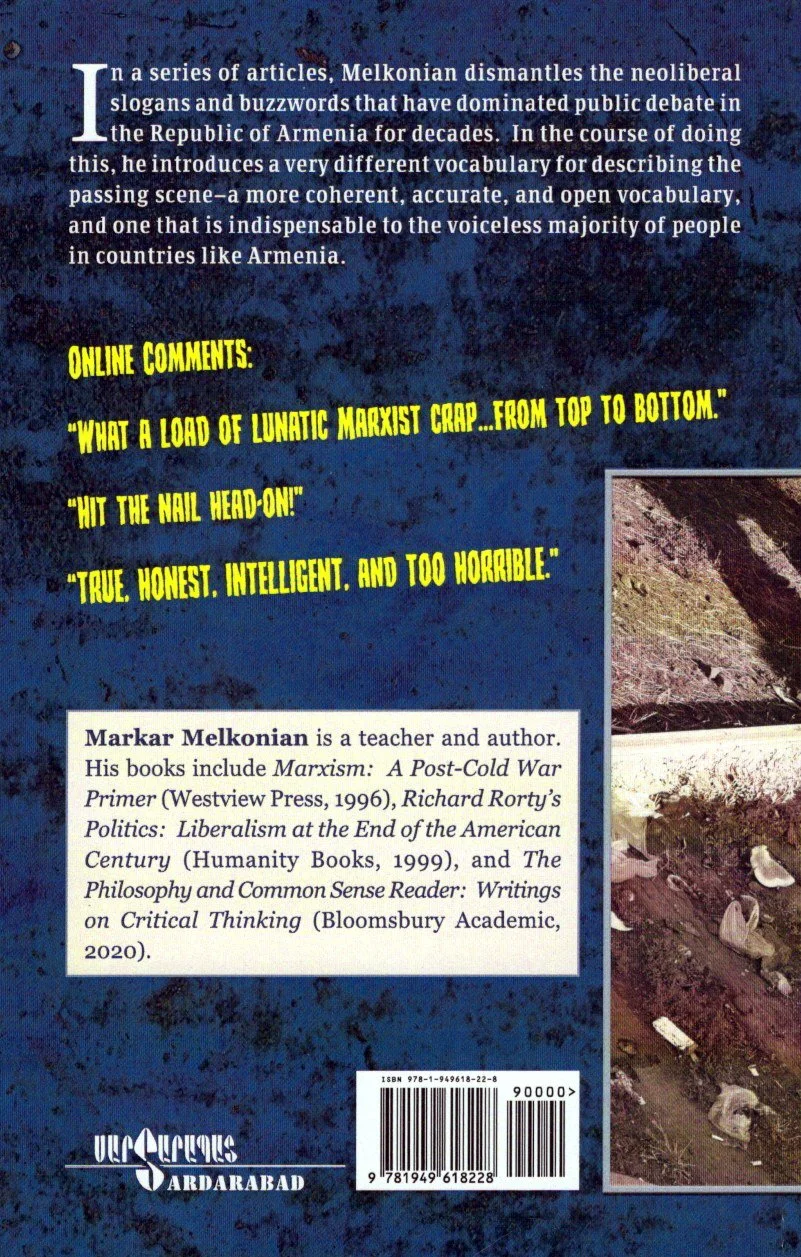
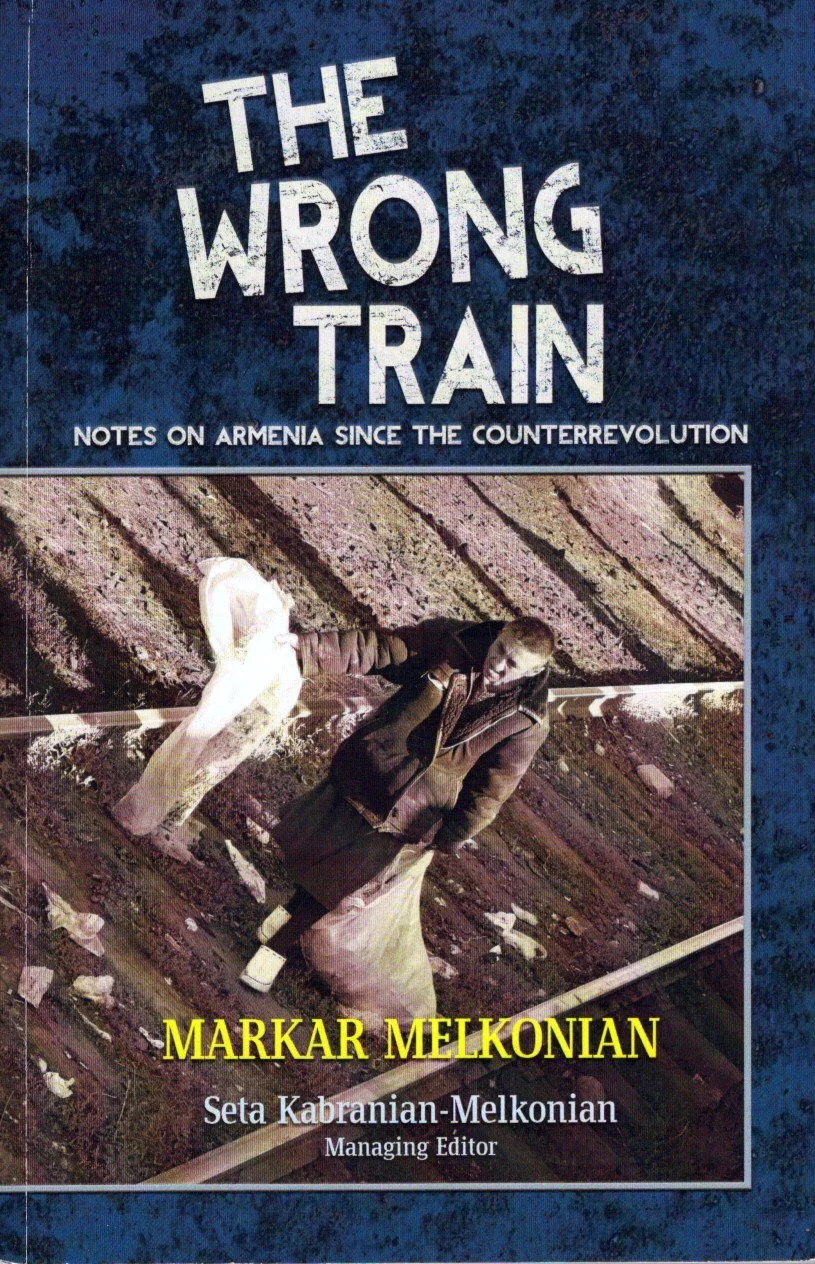
The Wrong Train
Notes on Armenia Since the Counterrevolution
A firsthand account of Armenia's post-Soviet transformation, combining political commentary, historical observation, and personal reflection. Through a series of essays written between 2010 and 2020, Melkonian examines the Ruses of Unreason that helped shape modern Armenia. While doing this, he introduces elements of a conceptual vocabulary, historical materialism, which, he argues, provides better explanations of social change than the officially prescribed obscurantist rigamarole, and that opens the possibility for contesting the political monopoly of the plutocrats.
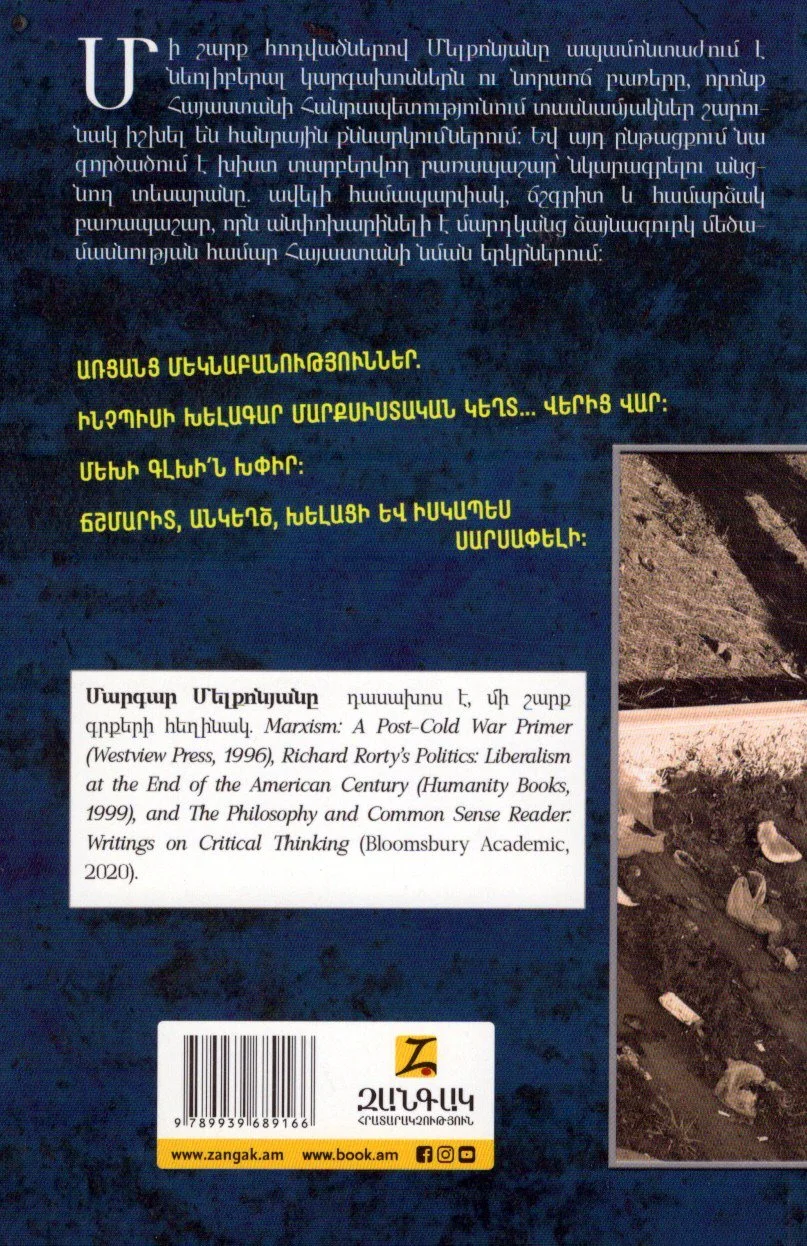
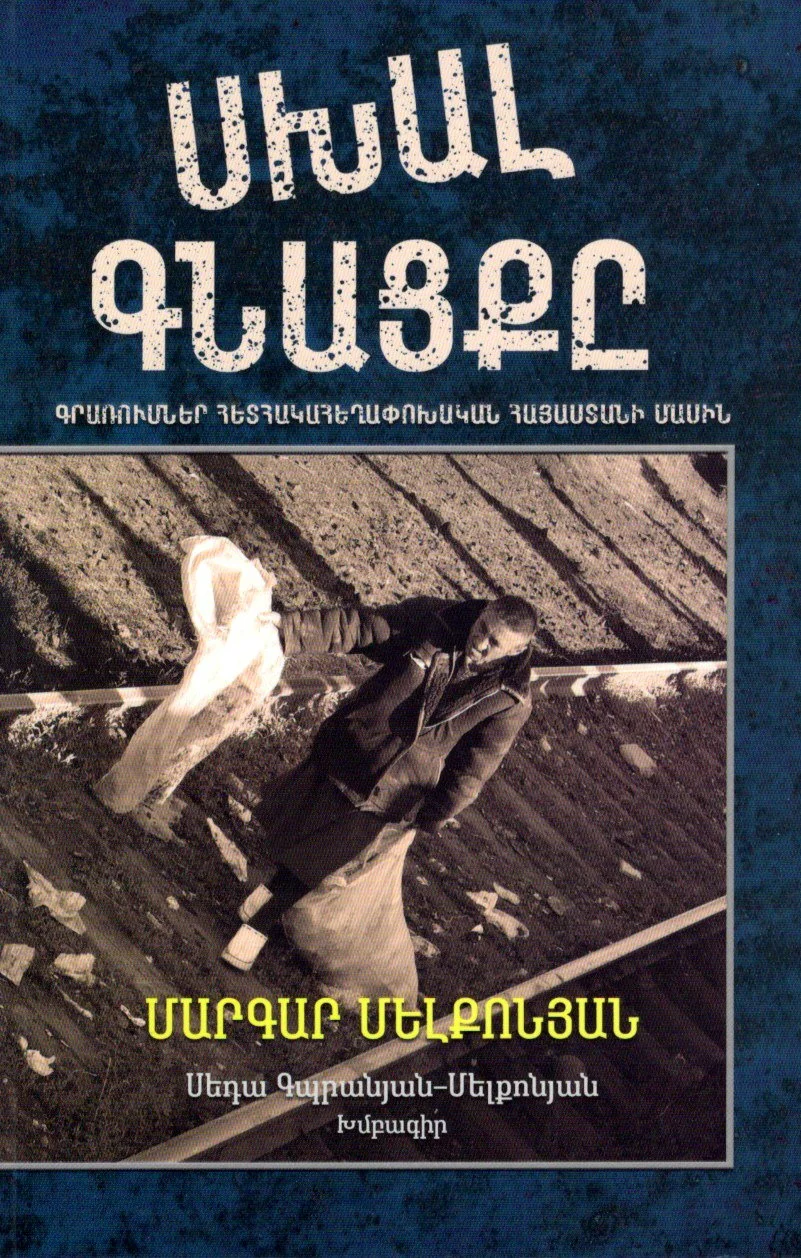
Սխալ Գնացքը։ Գրառումներ հետհակահեղափոխական Հայաստան մասին
The Wrong Train (Armenian Edition)
Published for Armenian-speaking readers, this expanded edition brings the essays of The Wrong Train to the language and audience most closely connected to its subject matter. The collection offers a unique perspective on Armenia's modern history through the eyes of an engaged observer and commentator.
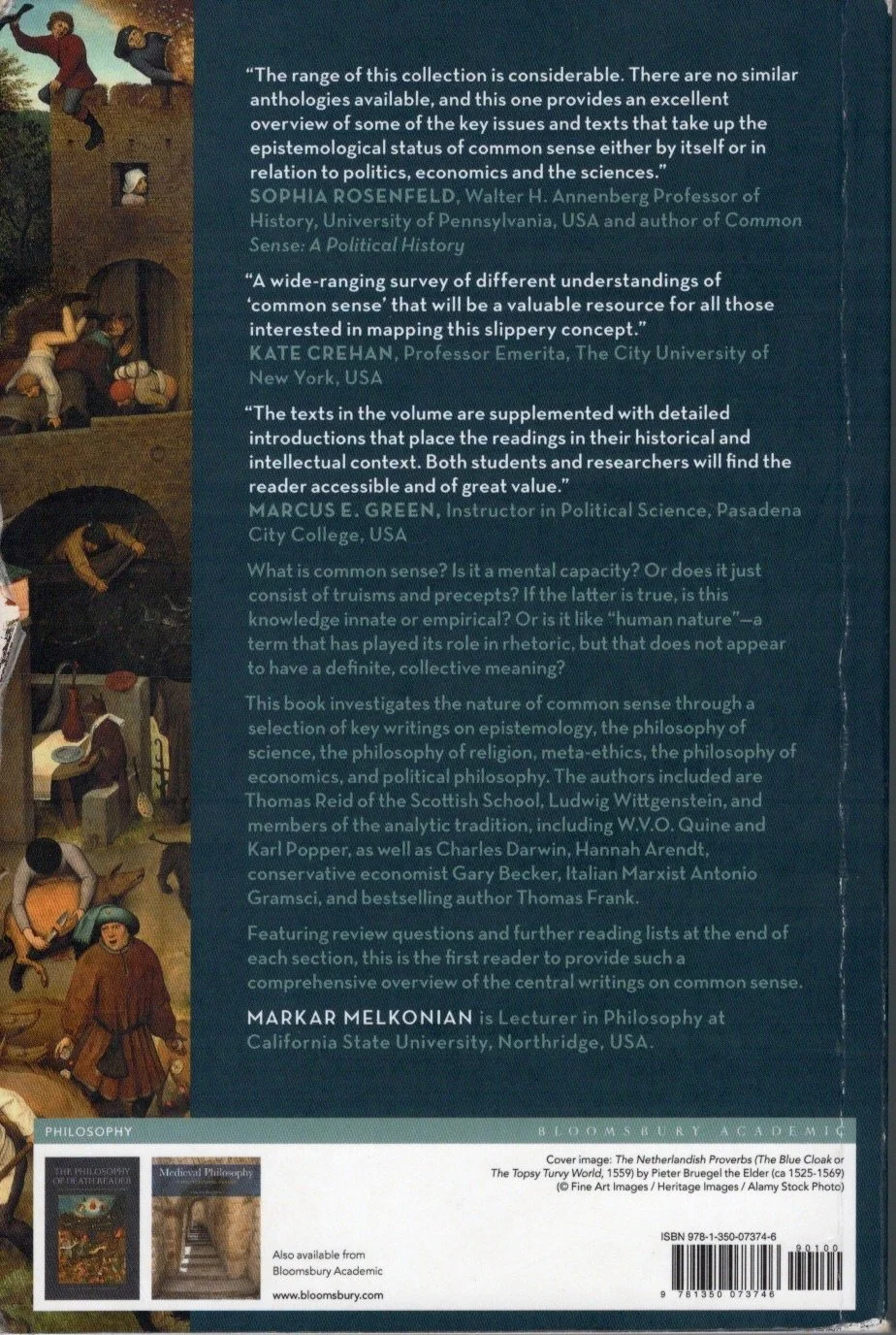
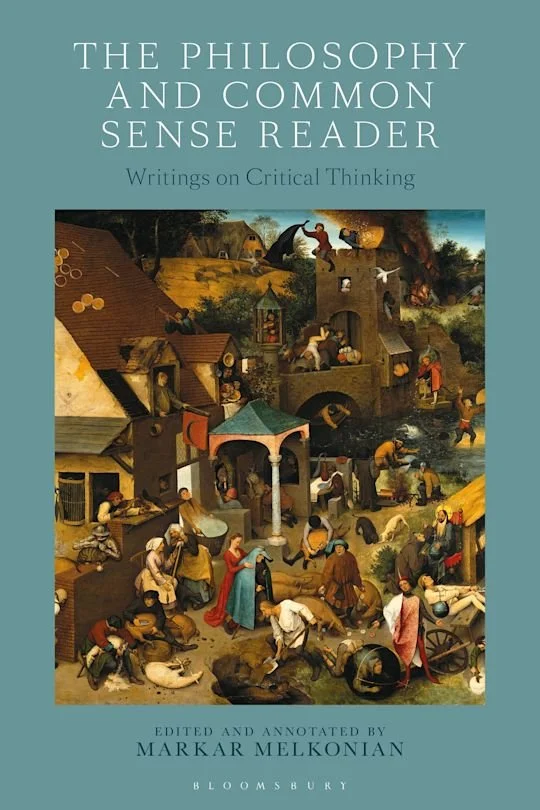
The Philosophy and Common-Sense Reader
Writings on Critical Thinking
From skepticism and the philosophy of science to everyday decision-making, this anthology invites readers to think more carefully about the assumptions that shape their lives. Bringing together writings from influential thinkers across three centuries, the volume serves as an accessible guide to critical thinking and philosophical inquiry.
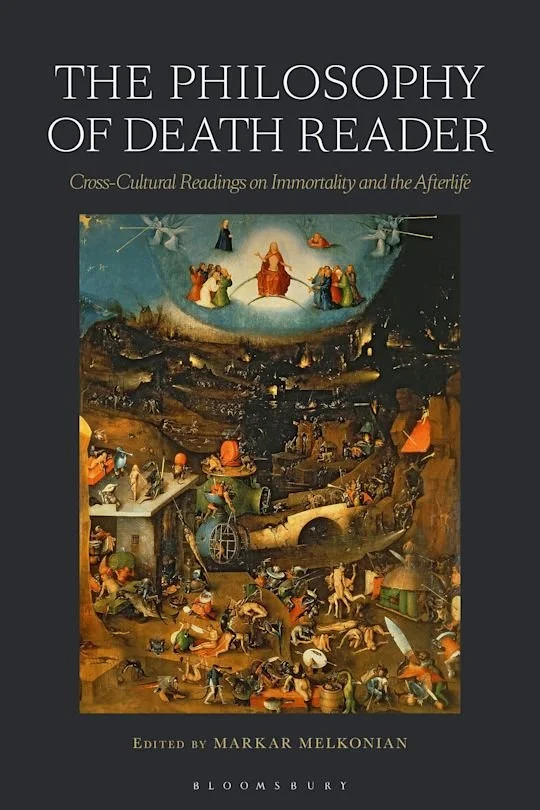
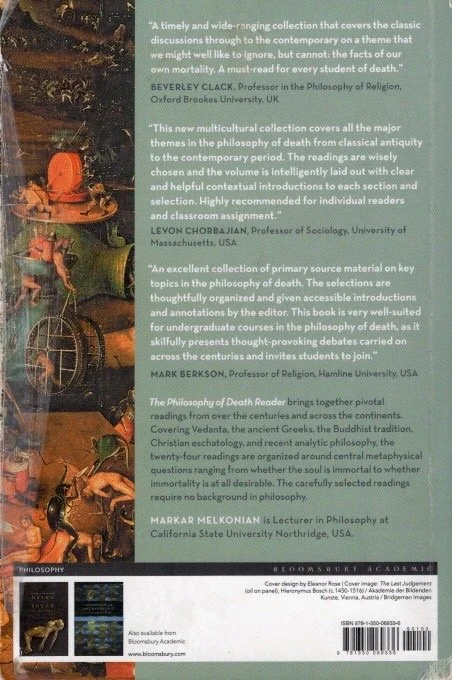
The Philosophy of Death Reader
Cross-Cultural Readings on Immortality and the Afterlife.
Why do human beings fear death? Or rather: How could they fear some alleged thing that “is nothing to us”? If we cannot fear death, then what is it that so bothers those who claim to fear it? And upon reflection, why should we hope to live forever anyway? In any case, what are we to do with the neurobiological fact that after we die we no longer exist? Why is that so bad? This volume gathers influential writings from modern and contemporary thinkers, from three ancient homelands of philosophy: India, the Mediterranean, and China. It also rallies the conclusions of contemporary neuroscience, encouraging readers to reflect on the strange and contradictory things we have believed about an alleged topic that has generated much heat and little light.
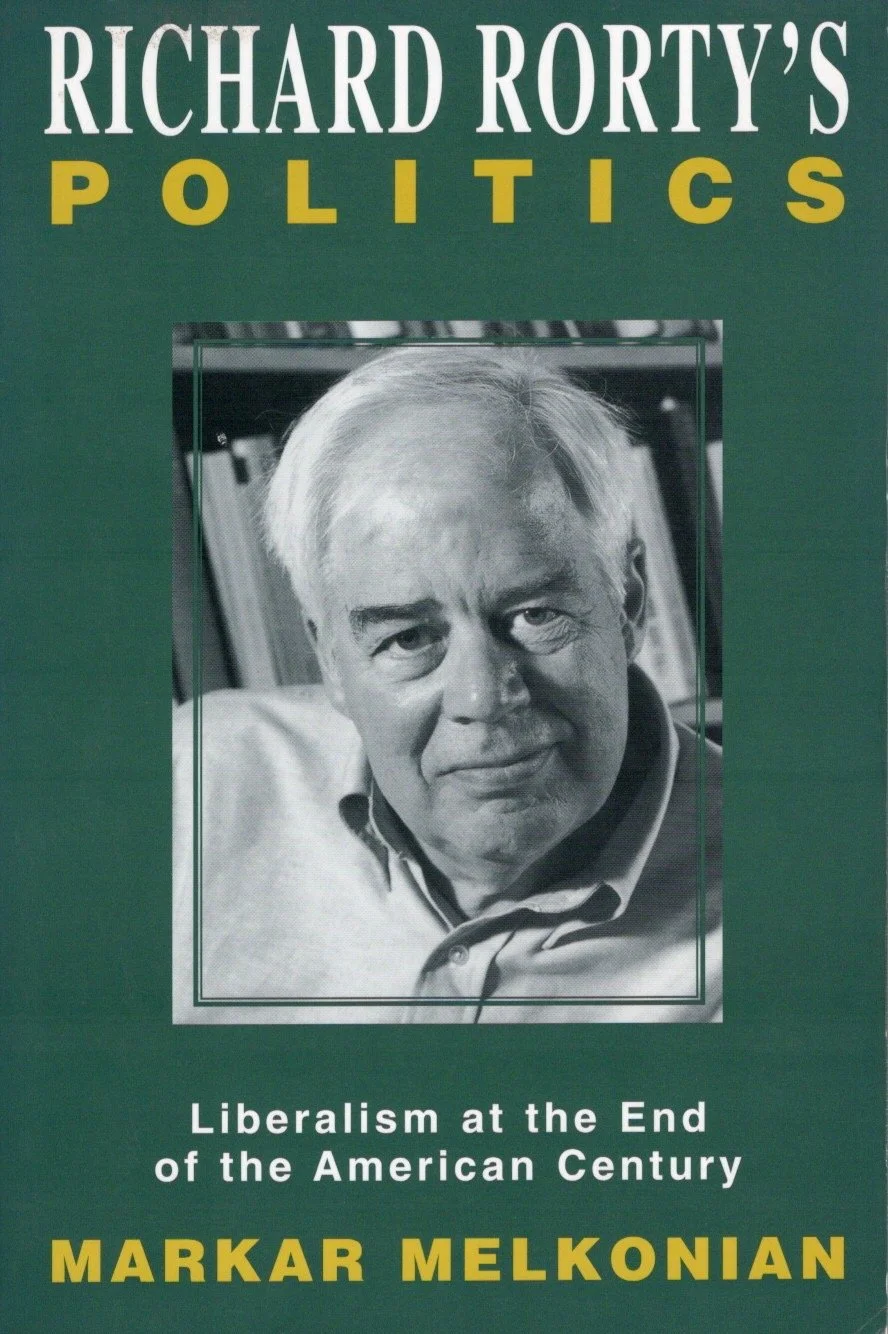
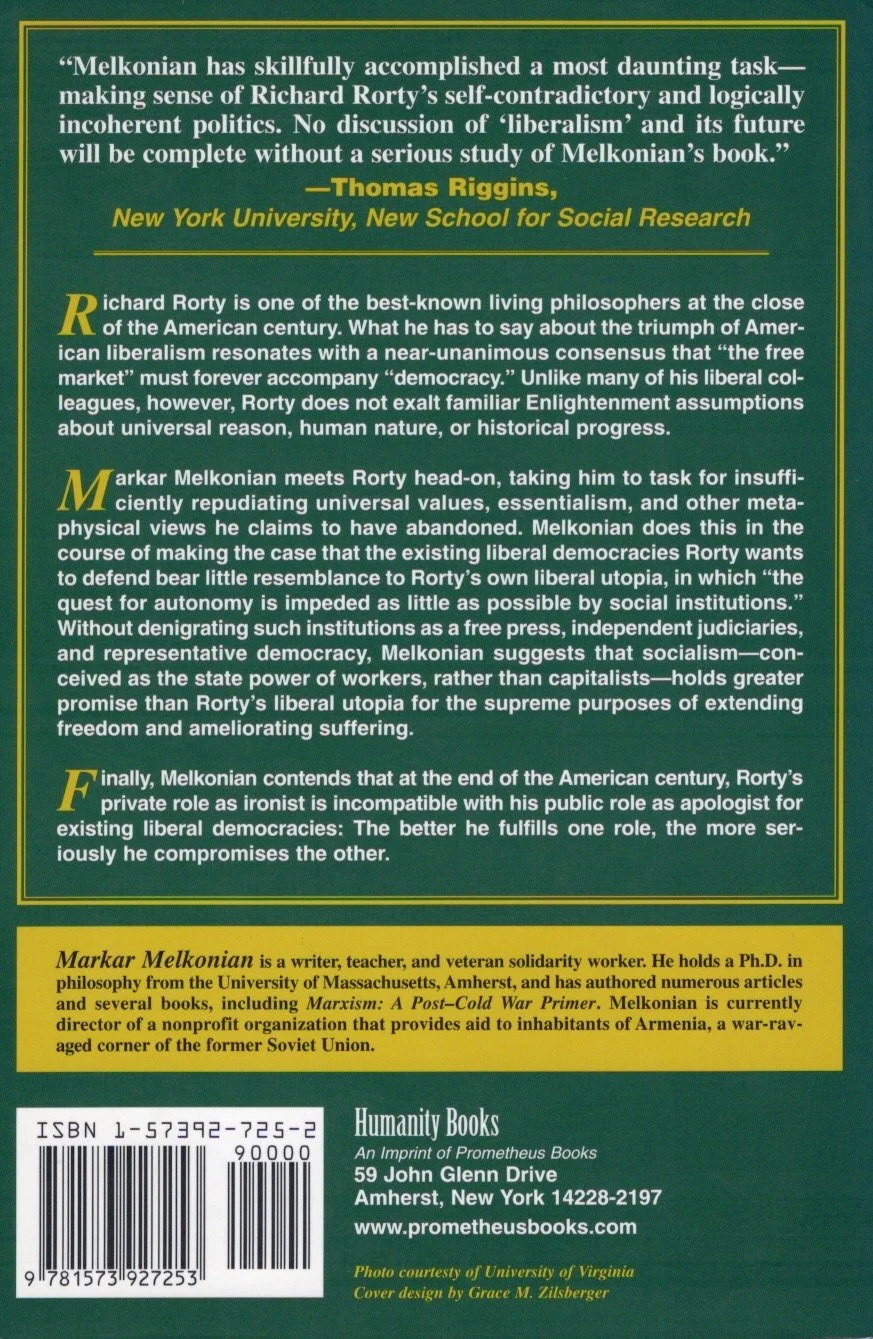
Richard Rorty's Politics
Pragmatism, Democracy, and Public Life
A critical study of the political ideas of philosopher Richard Rorty. Accepting Rorty’s conceptual vocabulary for the sake of argument, the author compares Rorty's social and political views with his alleged progenitor, John Dewey, showing that there are significant differences between the two, notably their respective conceptions of freedom and democracy and their accounts of how to harmonize personal freedom with public responsibility. Then Melkonian makes the case that the existing liberal democracies Rorty wants to defend bear little resemblance to the pragmatist philosopher’s own liberal utopia, in which "the quest for autonomy is impeded as little as possible by social institutions.”
Melkonian argues that at the end of the American century, Rorty's private role as ironist and his public role as apologist for existing liberal democracies are not so much incommensurable in principle as they are incompatible in fact. Rorty is caught in a bind: at the end of the American Century, defenders of liberal democracy in the public sphere undermine their role as ironists in the private sphere.
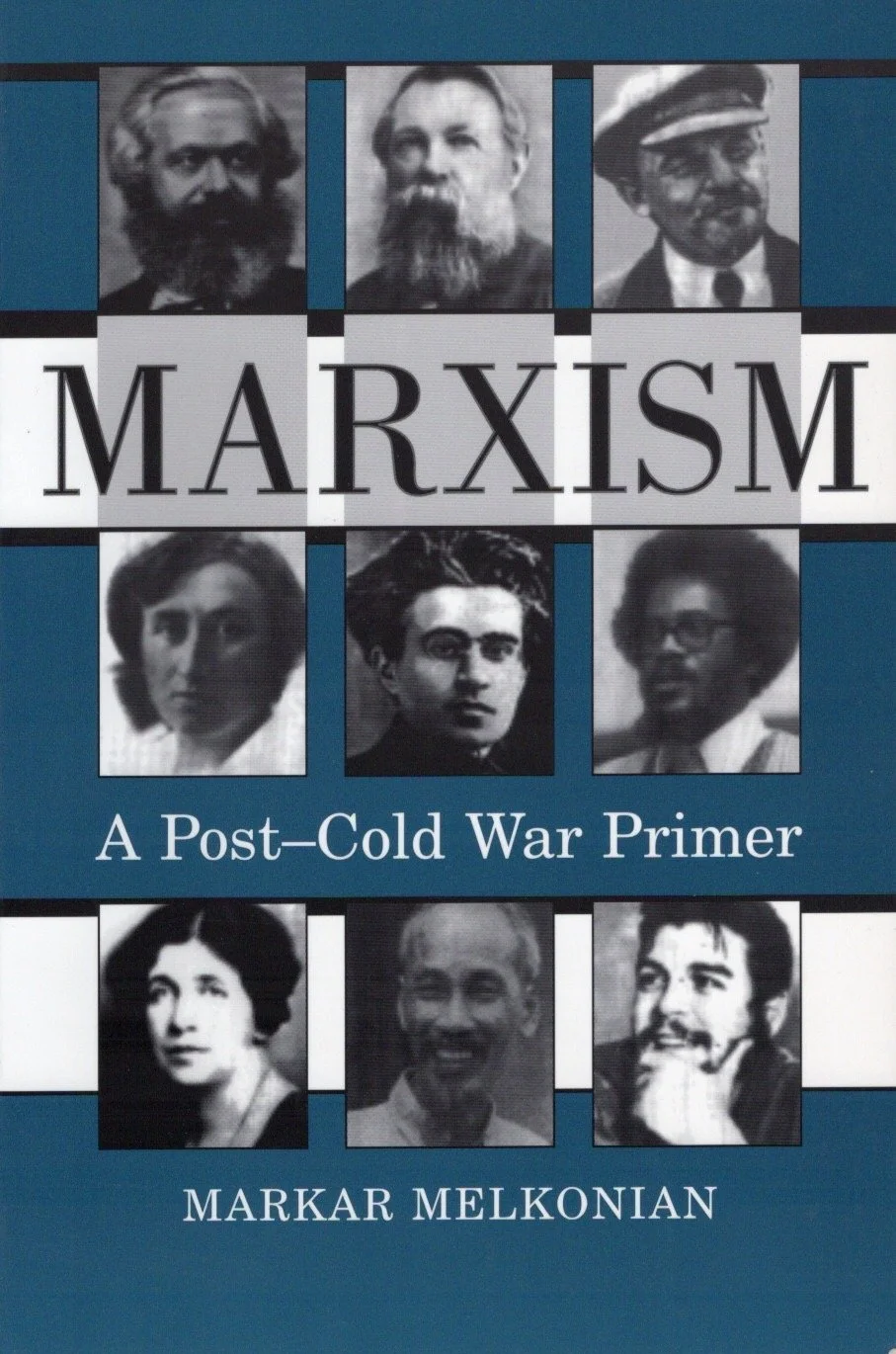
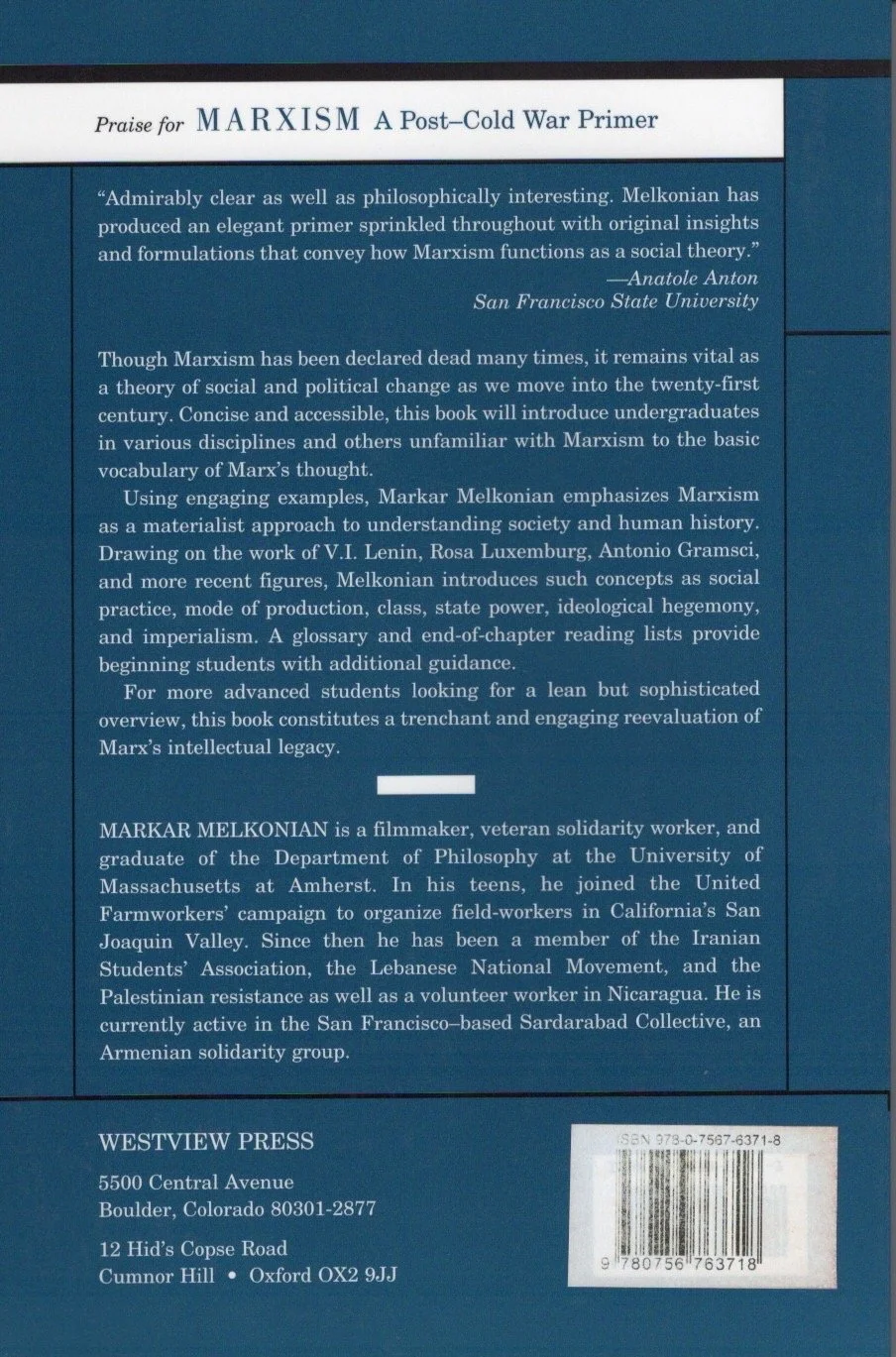
Marxism: A Post-Cold War Primer
Rethinking Marxism in a Changing World
Written during a period of profound political change, this book reexamines Marxist thought in the aftermath of the Cold War. Rather than treating Marxism as a historical artifact, Markar Melkonian considers its increased relevance to questions of social science, economics, power, and social change.